Published
A Safety Standards Certificate proves a used vehicle met Ontario's minimum safety standards on the day it was inspected. You need one to register a used car in your name, it is valid for 36 calendar days, and only a DriveON-licensed Vehicle Inspection Centre can issue it.
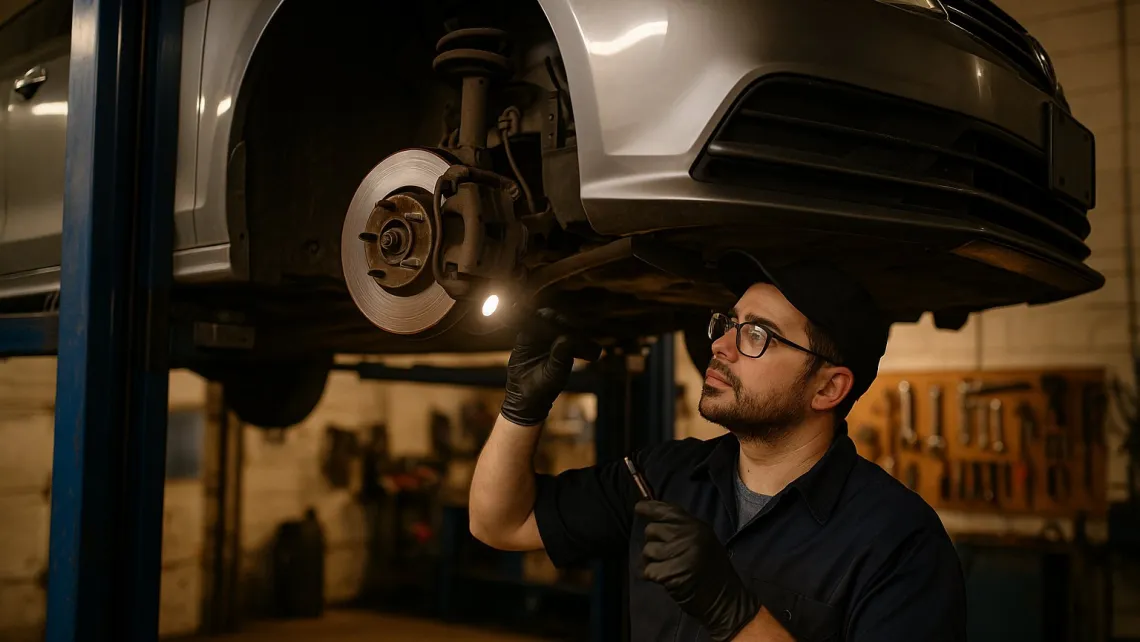

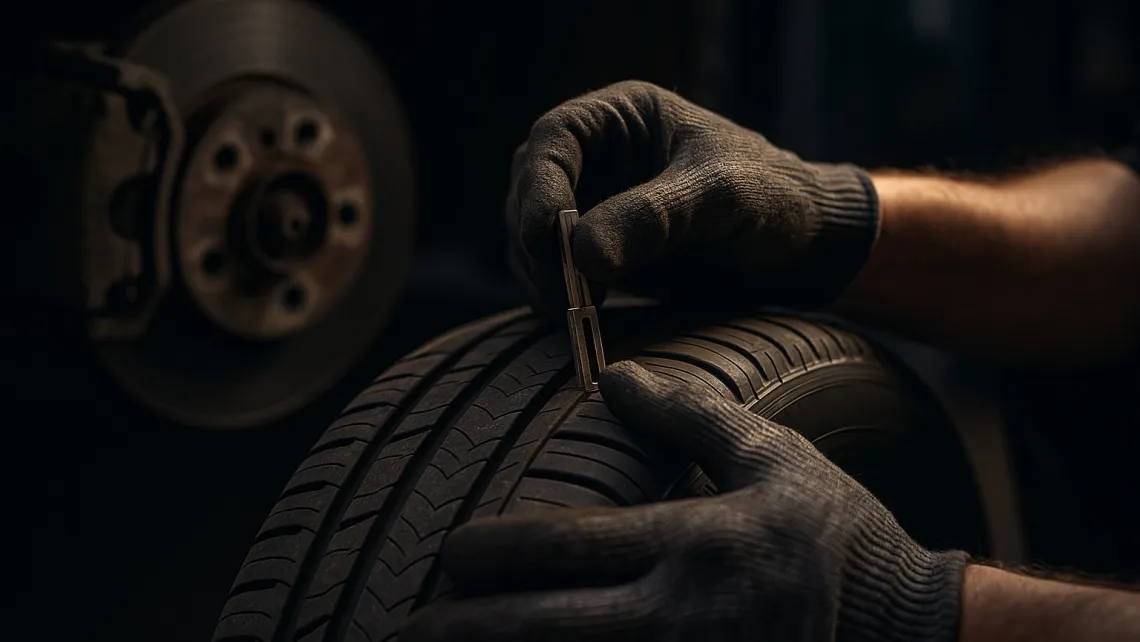
A Safety Standards Certificate (SSC) is the document that proves a used vehicle met Ontario's minimum safety standards on the day it was inspected. You need one to put a used car in your name, it is valid for 36 calendar days, and only a Vehicle Inspection Centre licensed by the Ministry of Transportation (the DriveON program) can issue it. It is not a warranty: it says the car passed on that date, nothing more.
What the inspection checks
The inspection follows the province's Passenger/Light-Duty Vehicle Inspection Standard, so every licensed centre checks the same list. The main groups are the brakes (pad and shoe thickness, discs and drums, hoses, parking brake), steering and suspension (play, ball joints, tie rods, springs, shocks), tires and wheels (minimum tread depth, damage, matching sizes), lights and electrical (every lamp, signals, horn, wipers, defroster), the body and frame (rust holes near structural points, sharp edges, doors and hood latches), glazing (windshield cracks in the wiper sweep), seat belts, the exhaust system and fuel system for leaks, and the instruments the driver relies on. Since the DriveON program replaced the old paper process, results are recorded electronically and the certificate is sent to you by email. Anything on the list that fails must be repaired and re-inspected before a certificate is issued. Source: Ontario.ca, Safety standards certificate.
Who pays for it in a private sale, and what it costs
Ontario does not say who must pay. In practice a seller who advertises a car as "certified" pays for the inspection and hands the buyer a certificate that is still inside its 36-day window; a seller who advertises "as-is" leaves it to the buyer. Agree on it in writing before money changes hands. The price is not regulated either: in the province's own words, "the cost of a safety standard inspection and the certificate is different at each Motor Vehicle Inspection Station." At the time of writing most shops in Ontario charge somewhere between about $100 and $200 for the inspection itself, and any repairs needed to pass are extra. Ask for the repair estimate before authorising work, and remember that a shop cannot issue a certificate for a car that fails. Source: Ontario.ca, Safety standards certificate.
Selling "as-is" (unfit) versus certified
You can legally sell a used car in Ontario without a Safety Standards Certificate, but the buyer then cannot register it as "fit" or drive it on the road. ServiceOntario registers the vehicle as unfit: the buyer becomes the legal owner but gets no licence plate portion until they present a certificate, which is also the only way to change the status from unfit to fit. For buyers this means budgeting for the inspection and possible repairs, and for arranging a tow or a trailer to get the car to the shop. For sellers, "as-is" simply means you make no promise about roadworthiness; it does not remove the obligation to provide the Used Vehicle Information Package or to describe the car honestly. On SmartMotors.ca, sellers state in the ad whether the car is certified, and buyers should ask for the certificate date before agreeing a price. Source: Ontario.ca, Buy or sell a used vehicle in Ontario.
How long it stays valid and what happens after 36 days
The certificate is valid for 36 calendar days counted from the inspection date, not from the sale. If ownership is not transferred at ServiceOntario within that window, the certificate expires and the vehicle has to be inspected again. That matters when a seller certifies a car early and it sits unsold for a month, or when a buyer waits too long to register: the buyer also has six days after the purchase to transfer ownership. Line the two dates up so the certificate is still valid on the day you visit ServiceOntario. A certificate issued in another province is not accepted; the inspection must be done in Ontario. Source: Ontario.ca, Safety standards certificate.
When a certificate is required
Ontario requires a Safety Standards Certificate when a used vehicle is transferred to a new owner (transfers between spouses are exempt), when a vehicle is registered in Ontario after coming from another province, territory or country, when a rebuilt vehicle is registered, and when a vehicle's status changes from unfit to fit. Since April 1, 2019 there is no longer an emissions test for light passenger vehicles, so the safety inspection is the only inspection a private buyer needs. Source: Ontario.ca, Safety standards certificate and Buy or sell a used vehicle in Ontario.
Where to find a licensed inspection station near you
Use the province's DriveON Vehicle Inspection Centre finder to list licensed centres by city or postal code; only these centres can issue a certificate. The same portal has a vehicle inspection history lookup, so a buyer can confirm that a certificate a seller shows really was issued for that VIN and on that date. Many dealerships and chain repair shops are licensed centres, but a garage without the DriveON licence cannot certify a car no matter how thorough its inspection is.
What this means when you buy or sell on SmartMotors.ca
Sellers: certify the car close to the sale date so the buyer has time to register within the 36 days, or state clearly that the car is sold as-is. Buyers: ask for the certificate, check its date, and budget for the 13% retail sales tax and the plate transfer at ServiceOntario. Our other guides explain the Used Vehicle Information Package the seller must hand you, how the tax is calculated and how to read a CarFax Canada report. Browse used cars by make and city or read the FAQ.
Sources
- Government of Ontario, Safety standards certificate
- Government of Ontario, Buy or sell a used vehicle in Ontario
- DriveON, Find a Vehicle Inspection Centre
Last checked against Ontario.ca: September 2026. Rules and fees change; the official pages above are the authority.